Life often invites us to go to the place of paradox and most times we resist it or just refuse. Yesterday, I was reminded of this several times.
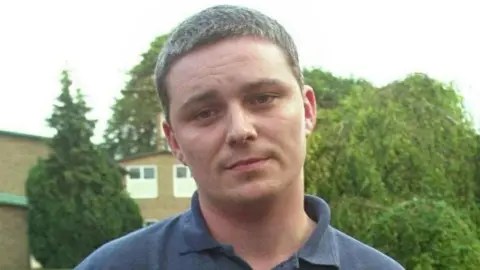
The Notre-Dame, an image in my mind of immense grandeur and beauty, suddenly replaced with an image equal its immensity but of its falling and destruction. Parallel to this, I was watching the Yorkshire Ripper Files. In the third episode, professionals and members of the public expressing their absolute shock that when Peter was seen in the dock, he looked and sounded nothing like the image of the monster he had become in their minds; he was an ordinary man. This reminded me of the neighbours who lived in Cromwell street, next to Fred and Rose who, day after day, as the bodies of their victims were removed from their garden, also expressed their inability to think of Fred and Rose behaving as sadistic murderous sexual predators, instead of the lovely, friendly as one had said’ salt of the earth’ neighbours known to them over the years.
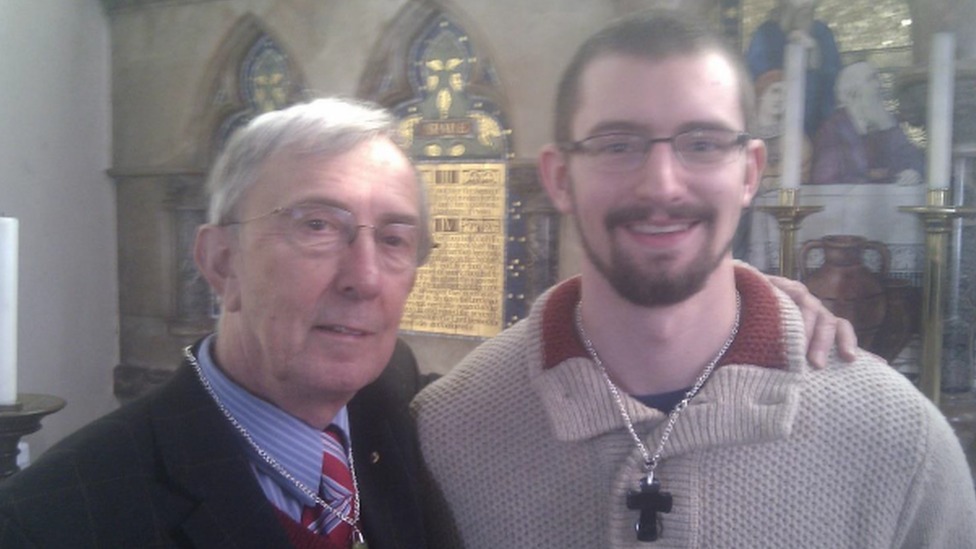
I think also of the many people I have known, who have committed extreme acts of destruction; bombings, murders, rapes, arsons, who on meeting them in the Police, court or prison cell are also often, gentle, unassuming, charming and very polite. David Copeland, being no exception. Soon we will be remembering his victims killed or maimed by the bombs he planted in Brixton, Brick Lane and Soho; acts of expressed hatred. But on meeting him, a quiet, timid, sexually confused vulnerable young man.
The wholeness of the human condition is made of both horror and beauty, it fills our lives day by day and mostly at the same time. What are we to make of this?
Very early in my career, my work, as indicated above took me to a place of understanding and acceptance of that which we are all conditioned, time and time again to avoid; the place of paradox. The reality being that, absolutely not one of us are one thing or the other, we are always both.
Personally, I can be extremely self -destructive and immensely creative. I can party for several days and for months enjoy sobriety and celibacy. I can, in a sentence, wither the closest of friends and equally raise them up with love. This list could go on and on, for me and for you.
But life lived in these extremes is not where peace of mind, acceptance and reality of the whole of life dwells. Peace of mind and true acceptance of others and self is found in the place where our most extreme aspects meet and come together; the place of paradox – the place of wholeness.
Our world is full of the symbolism of paradox and reminders of wholeness. The most common is the concentric circles made of stained glass found in Notre-Dames across the world. Where the circles overlap our eyes forever drawn to that middle place where the sacred and profane come together. This again and again reminds us of the true nature of the human condition. We, and life is neither one or the other; we are always both – we are whole.
Soon, it will be 20 years since David Copeland visited horror upon the heart of London and soon I will, as I have done every year since, go to Soho and gather with others in the memory of those killed. But I will also hold David; his vulnerability just as apparent in his being and words as his murderous rage.
Today, I will step out into the world and no doubt will be confronted with the invitation of paradox maybe several times over. I hope it remains possible for me to accept the whole and not just one or the other.
On a tragically regular basis, the sexual abuse and murder of children is only propelled into the news and into our minds when celebrity status is involved.
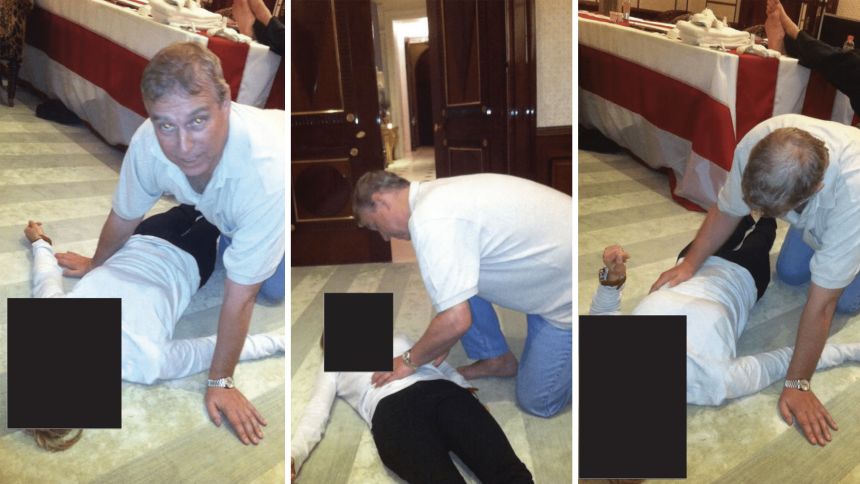
Prince Andrew, Michael Jackson, Gary Glitter, Jimmy Saville, Rolf Harris, Phillip Schofield, Huw Edwards, all have put child sexual abuse in the spotlight … for a while. These headline grabbing cases are then followed by silence. This silence is a concern for me and a gift for those who we have not yet reached the headlines. Having worked for decades with men and women who sexually abuse children, I know for certain that silence is always a gift to those people who abuse.
High profile cases are useful in providing a disturbing reminder. I guess though, that such is the nature of this disturbance we are relieved when such a moment of time is over, and we can again… forget. Our wish not to know, our ability to forget, to remain silent is however in this context incredibly dangerous.
Sexual crime is not just about what happens at a given moment. The actual sexual crime is a very small part of a much wider and more complex picture which does indeed occur over time. A sexual offence does not ‘just happen’ many other dynamics, feelings, thoughts and behaviours are operating and often for many years leading up to the commission of an actual offence. It is this wider picture that is often missing in the polarised responses we tend to gravitate to.
In the 80’s we were faced with a whole series of high-profile sexual abuse cases. Consequently, I spent the following ten years doing nothing else but conducting investigative interviews with both victims and perpetrators. We did not know back then as much as we know now. We worked on the principle of identifying all the indicators to support the view that abuse had happened and then painstakingly we would, for each indicator, identify all the reasons why it should not be counted as an indicator. Once that picture was complete, we would then search for evidence on any remaining indicators, eventually that would inform an outcome in one direction or the other.
The process of elimination was very much victim led and not much consideration was given to the accused in terms of their behaviour, history and thinking. Over time of course that changed and many of us who had previously worked with victims started to work more closely with the accused and guilty. Eventually, the experience of both victims and perpetrators have informed a highly skilled and informed investigative and assessment process such as we have today.
Much has been learned from the men and women who commit sexual crime, and it is to their minds we must go if we are continue that learning.
The resistance to go into the mind of the paedophile I certainly appreciate, such a place it is not a nice place to be. I can also assure you, one is seldom welcomed. Our resistance to going into such a place is, in the face of such perversity, a healthy response. But also important to recognise that such resistance to thinking the unthinkable, although deeply uncomfortable, is essential in preventing further abuse and in achieving justice for victims.
The biggest obstacle to a victim speaking out about an experience of abuse is the fear that they will not be believed. This belief has, in nearly every situation, been instilled in them by the abuser. An abuser will go to extreme lengths to secure the silence of their victim. Silencing the victim is a crucial part of the grooming process. One victim I worked with was shown pictures of his mother and father which the abuser would then set alight in front of him, stating that this is what he would do to the boy’s parents should he ever tell anyone. Needless to say that child remained silent for many years.
It is not only the victim that is groomed, parents, siblings, relatives, friends, teachers etc can all be subject to the grooming influence of an abuser.
The environment will also be groomed to minimise the risk of discovery and to create a setting that will appeal to a child and look benevolent to others. In the case of those that have status such a professionals and super stars, they will also groom the public. The act of grooming is a process of control and all who come under its influence are impacted by the abuser’s power. There is never one victim there is always many.
Over many years, Michael Jackson and the high profile others systematically groomed all those in their reach. They created a childlike persona, an environment, connections and facilities to gain ultimate access to the most intimate occasions of childhood.
Their most effective tools of grooming; power and status, enabled extreme bizarre behaviour that would never have been accepted by any other individual to go unquestioned. So far reaching was the impact of their grooming, so effective was their grooming that others justified indicators of concerning behaviour to the extent that each did not need to utter a single word in his defence.
One of the most disturbing denials that we witnessed in relation to the Michael Jackson case, came from the mother of James Bulger, Denise Fergus, who publicly and viciously attempted to discredit one of Jackson’s victim’s. Few would recognise the truth that informed her denial. Fact is her murdered son had been totally obsessed with Michael Jackson. For Denise Fergus, to recognise the truth would surely mean yet another painful reality for her to bear. But her self -protection can never be a reason to deny another their painful reality and such self-interest can never be allowed to stand in the way of justice.
It is my assessment that each person advocating an ‘innocent’ Jackson, Andrew, Harris, Glitter .. whoever …. in every way becomes another of their victims. When in the face of overwhelming evidence, it remains possible for others to ignore this and declare ‘innocent’ then personal autonomy for individual perspective and thought has been overwhelmed, has been distorted and corrupted into what the likes of Jackson et al wish to determine. In recognising this, how many victims are these men responsible for? …
Thousands!
The silence that then follows is once again deafening and the forgetting is once again immensely dangerous. Let us take care never to forget.
The homicide of any child by their mother is something that is deeply shocking to society. The socially constructed and gendered role of mothers within a patriarchal society is to care and nurture children, to love them unconditionally and to protect them from harm (Meyer and Oberman, 2001). Sieff (2019) states that the archetype of the ‘Death Mother’ is evoked by women who commit filicide, which evokes such fear and alarm that it is banished to the `shadows of consciousness` (p15). Society therefore does not know how to respond, leading to the capacity for females to be violent being denied (Motz, 2020).
Whilst males commit the majority of violent offences, women who do commit violent offences are more likely to do this against people they have close relationships with, including their own children (Yakeley, 2010). Cases of filicide involving a mother, however, are rare and the vast majority of mothers pose no risk of harm to their children. In the U.K. between 2014-17, mothers were responsible for 27 deaths of children compared with 32 deaths caused by fathers and 8 deaths by step-fathers of cases subject to Serious Case Reviews (SCR) (DfE, 2020). Both parents together were responsible for 13 deaths (DfE, 2020). This was in the context of over 600,000 referrals to Social Care per year between 2014-17 (DfE, 2021), with a referral being defined as a request for a service from Children’s Services who is not currently in need and already accessing Social Work support (DfE, 2021). These referrals are for children and their families who may need support and those who may need protection. This suggests the difficult task professionals have in preventing filicide, given their rarity in the context of the demand for Children’s Services.
In the author’s experience there is a lack of training, research and learning for Social Workers about mothers who both harm and/or kill their children, with the focus often being upon the father or step-father. It is due to the experience of the author being involved in a case where a mother and father killed their two children that this specific area of practice has been focused upon. As the primary task of Children and Families Social Workers is arguably the protection of children (Finch and Schaub, 2015), this article focuses on reflections for this profession. Reflections will also be relevant, however, to other agencies working with children as safeguarding children is a multi-agency responsibility in the U.K.
This literature review is structured through first explaining how the literature was searched for and what definitions are used. It then considers the contextual overview from the literature, including statistical information, followed by types of maternal filicides before a discussion of complicating factors. Finally, the overall research is discussed before reflections are highlighted for Social Work practice and other agencies working with children.
Literature Search Strategy
The literature search was completed via Google Scholar using a mixture of journal articles and books. The following search terms were used to find research: `mothers kill children`, `mother neonaticide`, `mother infanticide` and `mother filicide`. The majority of articles and books found were written by professionals from Psychiatry, Psychology and Paediatric disciplines. Therefore the themes found in this literature review will be influenced by the knowledge base of these professions, which may limit the understanding of maternal filicide from alternative perspectives. Limited research has been undertaken from a criminological or sociological viewpoint in relation to maternal filicide (Shelton, Hoffer and Muirhead, 2015).
Articles were also searched for internationally to consider themes across different countries. `Backwards citation searching` was then used by looking at the references section of all articles and books to find further research.
For the purpose of this review, the following definitions are used:
neonaticide is used to refer to the homicide of a child in the first 24 hours of life.
infanticide is used to refer to the homicide of a child in their first year of life.
filicide is used to refer to the homicide of any child from birth onwards (therefore including both neonaticide and infanticide).
homicide is used to refer to the killing of a child unlawfully either intentionally or unintentionally.
Contextual Overview
The homicide of children from birth onwards is a feature of all civilisations (Oberman, 2003). Infanticide has been used historically to control population numbers, due to illegitimacy or eugenics (Meyer and Oberman, 2001). Factors found to influence maternal filicide include individual psychological factors, societal factors such as: overpopulation, poverty, the status of females in society, inheritance laws, children born out of wedlock and hormonal changes following birth (Meyer and Oberman, 2001).
In most societies today maternal filicide is evident, but determining an accurate understanding of numbers is problematic (Stockl et al, 2017). Not all countries record information on maternal filicide. In addition, the true rate of maternal filicide is difficult to determine because of the hidden nature of neonaticide and whether deaths classified by Sudden Infant Death Syndrome (SIDS) were in fact filicide (Motz, 2014).
It is a consistent theme across studies that children under one are at most risk of homicide out of any age group in the UK and USA (Motz, 2014). A study in England, Scotland and Wales found children under one are four times more likely to be killed than any other age group with the first day of life being most risky (Flynn, Shaw and Abel, 2013). This remains consistent in 2020, according to the Office for National Statistics for England and Wales (ONS, 2021).
A review of the filicides by Stockl et al (2017), which looked at 126 studies in 44 countries, found that of the 33 studies which separated the gender of the perpetrator, that mothers committed 55.7% of all child filicides. In the case of infanticide, the same study found mothers committed the majority of these crimes (71.7% of all infanticides in the 12 studies that separated out this data). In relation to neonaticides, Stockl et al (2017) found them almost always to be committed by mothers. This could be explained by the fact that mothers are invariably the primary carers for young children post-birth.
In a study by Putkonen et al (2009) of filicides in Austria and Finland between 1995 – 2005 mothers were the perpetrators in the majority of cases (52% in Finland and 72% in Austria). Mariano, Choon and Myers (2014), who studied filicide cases over 32 years in the USA, found that mothers were just as likely to kill their children as fathers in the first year of life, with fathers thereafter being more likely. In a review of 297 filicides in England and Wales between 1997 – 2006, mothers were held legally responsible in 102 cases, compared with fathers in 195 cases (Flynn, Shaw and Abel, 2013).
The consistent theme across current research is that mothers kill more children under the age of one than fathers or step-fathers. Overall, there are differing statistics about whether mothers are more likely to kill their children than fathers across childhood. Mothers are thought more likely to kill their children than step-fathers.
Categories of Maternal Filicide
Several authors have tried to develop categories of maternal filicides. These are often subjective, however, based on small sample cases and are not always comparable across studies or countries.
Davies (2008) notes the most common categories across all systems are:
Neonaticide.
Mentally ill mothers – child killed due to mother’s mental illness.
Physical abuse related filicide – an incident of physical abuse which killed the child.
Other categories include:
Purposeful Filicide – a mother acting alone who purposefully and intentionally kills her child (Meyer and Oberman, 2001).
Filicide due to neglect – where the neglect of the child by the mother led to their death either through omission or commission. (Meyer and Oberman, 2001).
Assisted or coerced filicide – mothers who actively kill their children with their partners, or passively through the perceived failure to protect their children. (Meyer and Oberman, 2001).
Retaliatory – filicide with revenge towards a partner or ex-partner as the primary motive (Porter and Gavin, 2010).
Altruistic – parental desire to relieve the perceived suffering of the child including a subcategory of `mercy killing` where a parent kills a child with a severe or debilitating illness (Kauppi et al, 2010).
The Child Safeguarding Review Practice Panel (2021) uses categories to distinguish types of child deaths and/or harm experienced by children in England that lead to a Child Safeguarding Practice Review (the replacement for Serious Case Reviews). These categories do not distinguish statistically, however, between cases of maternal and paternal filicide and include all types of child deaths and harm. Given the focus of this article is on maternal filicide these categories have therefore not been included.
The research underpinning the different categories will now be summarised. Due to the mental illness of mothers being present across categories, this is included in the discussion of complicating factors instead.
Neonaticide
The act of neonaticide is distinct from other filicides because this crime is almost always committed by mothers when the perpetrator can be identified. A 1990 study found 64% of new-borns killed by neonaticide were found by accident and the parents could not be found (Crittenden & Craig, 1990, cited in Porter and Gavin, 2010). It is therefore often a hidden crime and difficult to determine its prevalence.
There is no clear correlation between diagnosed mental illness and neonaticide from studies undertaken (de Wijs-Heijlaerts and Verheugt, 2012). Friedman, Horwitz and Resnick (2005), who reviewed 39 studies on child homicide, found mothers in this category were mostly unmarried, aged in their late teenage years, often residing with parents or relatives and denying or concealing their pregnancies. The pregnancy is denied out of a fear that others will not accept the fact that the mother is pregnant (de Wijs-Heijlaerts and Verheugt, 2012). Mothers fear the loss of the social support network, or being shamed if they reveal they are pregnant (Oberman, 2003). The denial can lead to mothers no longer being conscious of being pregnant and lead to dissociation at birth (de Wijs-Heijlaerts and Verheugt, 2012). Cohen (2001) notes the paradox of denial in that one is both conscious and not conscious at the same time. Some awareness of pregnancy possibly develops, but the mind turns a blind eye to it, so no relationship with the baby develops. One mother said in relation to killing her three children after birth, `I was conscious of being pregnant, but not of being pregnant with babies… no relationship with the babies developed`. (The Guardian, 2009).
Physical abuse-related filicide
This category of filicide is where an incident of physical abuse led to the child being killed. This is often an impulsive act of a mother who has lost control emotionally and who may see her child as threatening her authority. The mother is not, though, intending to kill her child. Meyer and Oberman (2001) found that most of these mothers had previously hurt their children physically. Poverty, social isolation, alcohol and/or other drug use, issues in interpersonal relationships and past experiences of abuse are common themes in this category of filicide (Meyer and Oberman, 2001).
In physical abuse-related filicide, as well as neglect-related filicide, studies have found that mothers are often parenting alone, with young children who have high levels of need and with limited social support, which influences what happens (Davies, 2008). Smithey (2001) found in interviewing 14 mothers who fatally injured their children, that the child’s crying, difficulty in training (toileting and weaning) and illness led to the mother assaulting the child.
Filicide due to neglect
This category includes neglect-related deaths that are caused by omission or commission (Meyer and Oberman, 2001). Omission cases are when a mother fails to attend to the needs of the child, for example leaving a child unattended in the bath. In the majority of these cases studied by Oberman (2003) the mother was a lone parent and there was an absence of the father or any other support. In commission cases the mother reacted to the child’s behaviour to try to quieten them e.g. shaking the child, causing the death. Often these mothers were young, single, with a limited support network, had limited education and may have used alcohol or other drugs (Meyer and Oberman, 2001).
Purposeful filicide (Mother acting alone)
In Meyer and Oberman’s (2001) study in the USA of 219 cases of maternal filicide the majority fell into this category (79 cases). Oberman (2003) notes this category is often linked to a mother’s mental illness, social isolation and the fact she is parenting alone without support. Meyer and Oberman’s study (2001) also found a correlation in this category with threats of suicide, attempts of suicide or mothers committing suicide, in addition to the filicide.
The category of purposeful filicide is distinct because the mother meant to kill her child. It is different from neonaticide because of the fact these mothers do not deny the existence of their children and sometimes kill multiple children (Meyer and Oberman, 2001).
Although there is a possible link with the mental illness of the mother in this category, Meyer and Oberman (2001) note the difficulty of establishing a significant mental illness at the time of the filicide. Friedman, Horwitz and Resnick (2005), however, found that purposeful homicides in the USA were often linked to a mother’s mental health through psychosis and/or depression. Meyer and Oberman (2001) note that the mothers in this category in their study were often seen by others as loving and devoted mothers with no prior history of abuse or neglect.
Assisted or Coerced Maternal Abuse (including presence of domestic abuse)
The category of assisted or coerced maternal abuse is taken from Meyer and Oberman’s (2001) study of filicide cases in the USA. Out of a total of 219 cases of maternal filicide only 12 came under this category. This can either be active, where the mother kills the child, with the partner or passive, where the mother is convicted of failing to protect her child (Meyer and Oberman, 2001).
The passive category is perhaps controversial. There are cases where there is limited evidence the mother was directly involved in the filicide, but is convicted of failing to protect her child (Evening Standard, 2021). This suggests that the social construction of motherhood in that mothers are seen in society as being responsible for the safety of children, including whether their partner is safe to be around children, influences who is held responsible. In contrast, fathers are rarely charged with failing to protect their children from their mothers. Mothers are blamed for not leaving violent relationships when often they have been the victims themselves of these abusive relationships. It is therefore important that this category does not reinforce existing gender stereotypes.
Motz (2014) highlights that sometimes these relationships have an addictive and compulsive quality that can involve both partners participating in the destructive nature of the relationship. Motz argues this is driven by both adults` `disturbed attachment systems` (2014, p2), stemming from earlier childhood experiences where trauma is unconsciously repeated in the adult relationship. There is often no clear victim or perpetrator and a moral code can be formed where violence towards each other and any children can become condoned (Motz, 2014). Motz (2014) highlights the case of Mick and Mairead Philpott as an example who were convicted of manslaughter for killing their six children in a house fire.
Retaliatory/Spousal revenge
In this category the child is killed in the context of revenge against a spouse or partner due to envy or jealousy. The child is seen as an extension of the other person and revenge is sought through harming the child.
In a review of 200 filicides in Finland, Kauppi et al (2010) found only one case of maternal filicide where spousal revenge was evident. The Centre for Suicide Prevention (2009) found a limited number of these cases in their review of the literature (between 4-15% of cases, depending on the study).
Altruistic Motives
Altruistic filicide can be defined as `the motive of relieving the child of real or, most often, imaginary suffering and usually involves suicide by the parent` (Kauppi et al, 2010 p229). Mercy killings are often included in this typology because it also involves alleviating the perceived suffering of the child. Kauppi et al (2010) found in their review of filicide cases in Finland that most mothers killed for altruistic reasons often in combination with depression or psychosis and these mothers were often older, better educated and, more often than not, employed.
Friedman, Horwitz and Resnick (2005) found a correlation between mothers who committed suicide and also who killed their children, with a significant number of these cases being for altruistic reasons (90% of maternal suicide-filicides).
Complicating Factors
It is important to note that the reasons for every case of maternal filicide will be unique and no one factor can explain why a mother might kill her child. Adshead and Horne (2021, p105) use the bicycle lock model to explain that in an incident of violence there will be a final number specific to each case that causes the violence to be unlocked.
Poverty was one of the main reasons for filicide historically and is a consistent theme in the literature today (Friedman, Horwitz and Resnick, 2005). Poverty remains a significant issue in the U.K. today, with increasing numbers of children living in poverty (JRF, 2021). Most people in poverty do not kill their children, but the added stress of parenting under difficult social conditions and without adequate resources is a feature of many filicide cases. Meyer and Oberman (2001) found that in maternal filicide cases relating to neglect, poverty was a feature in 90% of the cases and was also evident across other cases.
Extreme poverty is also known to impact negatively on the mental health of people (Filer, 2019). Mental illness is also frequently cited in the literature as a factor in maternal filicide (Friedman, Horwitz and Resnick, 2005). The research shows that psychosis (post-partum psychosis or psychosis) can be a factor in maternal filicide, as can a major depressive illness and also personality disorder (Kauppi et al, 2010; Friedman, and Resnick, 2007; Davies, 2008). Suicidal history is also evident in maternal filicide cases (Shelton, Hoffer and Muirhead, 2015). It is also important, however, to note that most people who are mentally ill are not violent (Yakeley, 2010).
In a review of Serious Case Reviews (SCRs) by the Department for Education (DfE, 2020) the largest single factor prevalent in all of these was the mother’s mental health (47% of all SCRs, p53). Motherhood and the impact on mental health are arguably entwined. In the U.K. half of mothers develop a new mental health issue pre- or post-birth; post-natal depression affects 10-15% of mothers and suicide is the leading cause of death for mothers in the first year of their children`s lives (Glaser, 2021).
Jennings et al (1999, cited in Flynn, Shaw and Abel, 2013) found that in women with post-partum depression, 41% expressed violent thoughts about their children. Shelton, Hoffer and Muirhead (2015) found that in 19% of the 213 cases of maternal filicide examined the mother had expressed to someone else thoughts of harming her child prior to the filicide taking place. Kleiman et al (2021), however, argue that experiencing `scary thoughts`, including excessive worry, rumination, obsessive thoughts, intrusive memories and a misinterpretation of bodily sensations are a normal part of being a mother. Collardeau et al (2019) note in their research that nearly half of all mothers had thoughts of harming their infants on purpose and in their limited sample size this did not predict harmful behaviours towards the infants.
There are often difficulties in determining the extent to which a mother was mentally ill at the time of a filicide, particularly in those cases where a mother also killed herself (Friedman, Horwitz and Resnick, 2005). The literature also focuses primarily on mental illness rather than more broadly upon mental health. This might be due to the research being conducted mainly by Psychiatrists and Psychologists. Diagnosis continues to be an area of debate within the mental health profession and the reliance upon the Diagnostic and Statistical Manual of Mental Disorders in order to categorise mental illness (Filer, 2019). Studies demonstrate that Psychiatrists are not always consistent in the diagnosis of mental illness (Filer, 2019), which does question the reliability and emphasis placed on diagnosis in the literature. Perhaps a broader consideration of the mental health of a mother should be considered instead, with the focus on preventive services.
Mental health can also be linked with the experience of past abuse and trauma and whilst not all mentally ill people have experienced past trauma, many have (Filer, 2019). Meyer and Oberman (2001) and McKee (2006) note that there is evidence to indicate that the majority of parents who are abusive have experienced past abuse in childhood. Davies (2008) and Kauppi et al (2010) found this evident in the majority of maternal filicides.
Marchiano (2021) suggests that becoming a mother forces mothers to confront those parts of their past experiences which may have been repressed and not integrated and as their children reach developmental milestones this can re-awaken a mother’s past trauma. Welldon (2018) states that it is the maternal attachment relationships (often over three generations) that are crucial in understanding the psychology of women who are violent to themselves and/or their children. Due to negative early attachment experiences, a mother may feel `unwanted, undesired, ignored or an unidentifiable part of her parents` lives (usually her mother’s)` (Welldon, 2018, p9). Welldon (2018) suggests that this creates an intense hatred of their own mothers which leads to these intense feelings of hatred and revenge being taken out on their own bodies or on the extension of their bodies, their children. Oberman and Meyer (2008) conducted interviews with 40 mothers convicted of killing their child(ren) and one of the consistent themes found was the complex relationship these mothers had with their own mothers, which was often characterised by abandonment or abuse. This is not to negate the role of the mother’s father who, in the same study, were found to either be absent or violent to the majority of the mothers. The intergenerational impact of abuse and trauma therefore appears to be a feature in many cases of maternal filicide.
Alcohol and other drugs can be used to manage the feelings associated with past abuse and trauma and both are also found as factors in maternal filicide. In a study of 55 filicidal mothers Lewis and Bunce (2003) found that, at the time of the filicide, alcohol and/or other drug was present in a quarter of cases and Shelton, Hoffer and Muirhead (2015) found a history of alcohol and/or other drug use in 41% of 213 maternal filicide cases.
Domestic abuse and issues such as separation or parental conflict are a feature of adult relationships either historically or currently in many cases of maternal filicide (Friedman, Horwitz and Resnick, 2005; Kauppi et al, 2010). Domestic abuse may also impact on a mother’s mental health and social support system as it may lead to the mother being isolated through the control and abuse of the partner. Social isolation is noted as a factor in maternal filicide in most studies (Meyer and Oberman (2001), Lewis and Bunce (2003), Friedman, Horwitz and Resnick (2005) and Kauppi et al (2010)). Spieff (2019) notes that mothers with better support networks develop better bonds with their children and are more nurturing, attentive and committed to them; and it is therefore an important factor in mothers successfully raising children. Oberman and Meyer (2008) found that for those mothers who committed maternal filicide who had some family and social relationships, these were often characterised by abuse and violence, meaning that in reality they had no-one they could rely on for support.
Previous contact with Children’s Services is also a theme in some studies. Shelton, Hoffer and Muirhead (2015) found in a sample of 213 maternal filicide cases in the USA that 34% had a history of past involvement with Child Protection Services.
The ethnicity of mothers who commit filicide or the ethnicity of their children has been given limited attention in the research evidence due to ethnicity not being consistently recorded in maternal filicide cases across countries. In England, Sidebottom and Retzer (2019) found that in cases of maternal filicide between 2011-2014 the children killed were more likely to be of Black and Minority Ethnic origin, albeit in a limited sample size (47% of 19 cases). The ethnicity of the parent and/or child, however, remains a gap in the available research evidence.
There are also a number of other different psycho-social factors that could be important considerations in individual cases of maternal filicide, such as: mother’s low intelligence, poor impulse control, limited educational achievements, housing and access to social resources, unemployment and the impact of dealing with multiple children as a single parent without adequate support (McKee, 2006).
Discussion
The literature highlights that whilst maternal filicide is rare, it is caused by a complex combination of societal, psychological and relationship-based factors. Although understanding the different categories of maternal filicides can be helpful, their application to cases is subjective and difficult to apply consistently. There are also significant limitations to the research presented due to the limited number of studies from different countries, sample sizes, consistency of research and reliability of the data.
Meyer and Oberman note that:
“Infanticide is not a random, unpredictable crime. Instead, it is deeply embedded in and is a reflection of the societies on which it occurs. The crime of infanticide is committed by mothers who cannot parent their child under the circumstances dictated by their unique position in place and time” (2001, p2).
In cases of maternal filicide mothers are often parenting in poverty, with limited support networks and with experiences of childhood trauma which in turn impact on their mental health. This could lead to alcohol and/or other drug use or forming relationships with abusive and/or dangerous partners. Attributing weight to what factor was more prevalent in which case is inherently problematic for any research to determine effectively.
The social situation of mothers is a consistent theme in the literature. Poverty, social isolation, a lack of effective support services, affordable childcare and housing issues can all be factors increasing stress upon them. In addition, gender-assigned parenting roles and the social construction of motherhood compound these issues, leaving mothers forming the majority of single parent families in the U.K. (90%, Gingerbread, 2022).
The impact of extreme poverty and inequality upon the mental health of mothers is arguably linked. This suggests that taking a public health approach to tackling inequality and poverty may benefit many mothers, improve their mental health and reduce the potential for filicides taking place. In addition, there is often limited space for alternative messages on mothering to be heard (Glaser, 2021). It is rare to see mothers being depicted in the media as struggling to parent or bond with their children. As such, when a mother struggles to live up to the societal norms of what is expected of mothers it creates internal conflict, stress and anxiety.
The socially constructed view of mothers being caring and nurturing also limits professionals from seeing mothers as having the capacity for violence and thus limits training, learning and research being undertaken. This arguably reinforces a societal gender bias, with men being seen as violent and women as passive victims (Adshead and Horne, 2021). Society does not want to think about a mother’s capacity to kill her children as it challenges patriarchal structures; so often the response is to split mothers into being `bad` or `mad` (Motz, 2020).
Gendered notions of violence being committed solely by men can be seen in the Triennial Review of SCRs between 2014 – 2017 (DfE, 2020) as there is no section relating to maternal filicide, but there is a specific section on fathers and male partners (Section 3.4.2.). The recent review into the deaths of Arthur Labinjo-Hughes and Star Hobson, who were both killed by their step-mothers, notes that `the perception of women as unlikely perpetrators of harm to children` could have been a factor in both cases (Child Safeguarding Practice Review Panel, 2022, p90). Whilst step-mothers may have different relationships to children in comparison with their mothers, this does suggest that gendered notions of violence may impact on how risk is assessed by Social Workers.
Motz (2020) argues that in order to understand female violence, we also need to understand the impact of past trauma upon mothers, which is often hidden. Many mothers who commit filicide will have experienced significant past trauma and the birth of their children can reawaken these wounds, creating complex psychological responses to their children. Children can take on specific meanings psychologically, which can lead to one child rather than the another being killed (Reder, Duncan and Gray, 1993). This can sometimes be related to the difficult relationships these mothers had with their own mothers (Oberman and Meyer, 2008), but also could be related to the impact of abuse from their own fathers and others in childhood and/or as adults. In addition, the impact of abusive relationships with the fathers of their children or their partners add to the specific psychological meaning children are given. This may then lead to one child within the house becoming the target for abuse, acting as a `poison container` for adults to `project disowned parts of their psyches, so they can control these feelings in another body without danger to themselves` (deMause, p1, 1998).
In the case of neonaticide these mothers are often living in extreme positions where to acknowledge their pregnancies would result in shame or rejection by their families and support networks so they deny the existence of the pregnancies. Tragically, these mothers will often give birth to their children alone before killing them either passively or actively. Their prevalence is therefore extremely difficult to determine and prevention, given their hidden nature, almost impossible.
Conclusion – Reflections for Social Work Practice
This research has shown that maternal filicide is a complex crime with many intertwined factors and it cannot be easily predicted. This needs to be understood nationally in order for a more realistic understanding of the complexity of safeguarding children from filicide to be developed. Without this there is a danger that a perception will develop that filicide is always preventable and in cases where children are known to Children’s Services that the actions of an individual social worker should have prevented the incident taking place. This may lead to people not training to be Social Workers or experienced Social Workers leaving the profession, which ultimately further weakens the effectiveness of services to prevent harm to children.
In a review of Child Safeguarding Practice Reviews (Child Safeguarding Practice Review Panel, 2021), 62% of children killed were previously known to Children’s Social Care. Thirty-eight per cent of children, however, were not and this indicates the importance of all agencies being aware of the learning from this article. Whilst improved multi-agency working could strengthen the protection of children nationally, the literature demonstrates that there are deep-rooted issues within society that lead to maternal filicide. Considering child protection from a public health approach through tackling inequality, social isolation and poverty (Featherstone, White and Morris, 2014) and ensuring mothers are given access to appropriate mental health support would arguably be effective ways to reduce harm generally to children.
Whilst this needs a national response and investment in the right support and services, Children’s Services and partner agencies should support families through tackling poverty, housing issues and increasing the social support a mother has to reduce social isolation and provide services to address this where necessary.
Social Workers and professionals working with mothers need a more specialist understanding around a mother’s mental health and the impact specifically of this on parenting younger children, as young children are at higher risk of maternal filicide. Children and Family Social Work departments should establish better links to midwifery and health visiting services as well as Perinatal Mental Health Teams and Adult Mental Health Teams and consider developing Parent Infant Mental Health Attachment Teams.
All professionals working with mothers should also be curious about the mother’s past experience of being parented and any previous trauma when undertaking assessments. This research has highlighted the potential impact upon mothers of the parenting they received from their own mothers which professionals should be aware of. In addition, the meaning of different children to parents psychologically should be considered when assessing family dynamics.
Importantly, this research has highlighted that across all studies mothers are more likely to kill their children than step-fathers. There remains an emphasis on the risk posed by step-fathers (and fathers) in practice and training, which arguably reflects the biased and gendered view of violence across society. Maternal filicide is not given enough emphasis in the past DfE review of SCRs (2020) and in a subsequent report by the Child Safeguarding Practice Review Panel (2021); male and female perpetrators of filicide are not separated statistically. There is also no specific advice available for professionals in relation to maternal filicide. The potential impact of this on practice could be professionals struggling to consider the risks posed by mothers to their children.
Whilst further training could address some of these issues there remains the impact of austerity and financial constraints that have also hampered the effectiveness of Social Work services (CPAG, 2020) and universal services to support families. Reduced caseloads, better and broader access to early intervention services would arguably enable Social Workers to have the time needed to complete more thorough and curious assessments.
Finally, in order to understand maternal filicide more there needs to be further comprehensive research. Although the categories of filicide may be useful to understand different types of filicides, it is difficult to categorise such a complex crime. The assisted or coerced category could potentially lead to victim-blaming of mothers in abusive relationships. The recent Star Hobson case (Child Safeguarding Practice Review Panel, 2022) where the mother was convicted of causing or allowing the death of her child in the context of domestic abuse with her female partner, highlights the complex dynamics underpinning these relationships. Further research in this area with more specific advice and training for professionals would be beneficial. In addition, larger studies in the U.K., drawing on multiple sources of information and individual case studies, would support a better understanding of maternal filicide. This could also consider more broadly the specific reasons why mothers harm their children. In relation to neonaticides there needs to be further research in the U.K. to understand its prevalence and, in addition, the concealment or denial of a pregnancy should lead to a referral into Social Work services.
Maternal filicide is a complex phenomenon and prevention equally as complex. Social Workers and other agencies in this area could learn from this literature review. Social Workers and their multi-agency partners, alone, however, cannot prevent all filicides from happening. It is a problem that requires a multi-faceted societal and political response.
References:
Adshead, G and Horne, E. (2021). The Devil You Know – Stories of Human Cruelty and Compassion. London, Faber & Faber Limited.
Centre for Suicide Prevention – The National Confidential Inquiry into Suicide and Homicide by People with Mental Illness. (2009). Filicide: A Literature Review. University of Manchester. https://documents.manchester.ac.uk/display.aspx?DocID=37579
Cohen, S. (2001). States of Denial: Knowing About Atrocities and Suffering. Cambridge, Polity Press.
Collardeau, F, Corbyn, B, Abramowitz, J, Janssen, P, Woody, S and Fairbrother, N. (2019). Maternal unwanted and intrusive thoughts of infant-related harm, obsessive-compulsive disorder and depression in the perinatal period: study protocol. BMC Psychiatry, 19:94, p1-15.
de Wijs-Heijlaerts, K, J and Verheugt, A,J. (2012). The Psyche of Women Committing Neonaticide A Psychological Study of Women who kill their Newborn Children. In Oei, T. I., & Groenhuijsen, M. S. (Eds.) (2012). Progression in Forensic psychiatry, Deventer: Kluwer, 436-450.
Featherstone, B, White, S and Morris, K. (2014). Re-Imagining Child Protection: Towards Humane Social Work with Families. Bristol, Policy Press.
Filer, N. (2019). This Book Will Change Your Mind About Mental Health. London, Faber & Faber Limited.
Finch, J and Schaub, J. (2015). Projective Identification and Unconscious Defences Against Anxiety: Social Work Education, Practice Learning and the Fear of Failure. In Armstrong, D and Rustin, M (eds.), Social Defences Against Anxiety, London, Karnac, 300 – 314.
Flynn, S, M, Shaw, J, J and Abel, K, M. (2013). Filicide: Mental Illness in Those Who Kill their Children. PLOS One, 8 (4), 1-8,
Friedman, S, H, Horwitz, S, M and Resnick, P, J. (2005). Child Murder by Mothers: A Critical Analysis of the Current State of Knowledge and a Research Agenda. American Journal of Psychiatry, 162:9, 1578 – 1587.
Friedman, S, H and Resnick, P, J. (2007). Child Murder by mothers: Patterns and Prevention. World Psychiatry, 6, 137 – 141.
Kauppi, A, Kumpulainen, K, Karkola, K, Vanamo, T and Merikanto, J. (2010). Maternal and Paternal Filicides: A Retrospective Review of Filicides in Finland. The Journal of the American Academy of Psychiatry and the Law, 38: 229 – 38.
Kleiman, K, Wenzel, A, Waller, H and Mandel, A, A. (2021). Dropping the Baby and Other Scary Thoughts. Abingdon, Routledge.
Lewis, C, F and Bunce, S, C. (2003). Filicidal Mothers and the Impact of Psychosis on Maternal Filicide. The Journal of the American Academy of Psychiatry and the Law, 31: 459-70.
Marchiano, L. (2021). Motherhood: Facing and Finding Yourself. Boulder, Sounds True.
Mariano, T, Y, Chan, H, C and Myers, W, C. (2014). Towards a More Holistic Understanding of Filicide: A Multidisciplinary Analysis of 32 Years of U.S. Arrest Data. Forensic Science International, 236, 46-53.
McKee, G, R. (2006). Why Mothers Kill: A Forensic Psychologist’s Casebook. New York, Oxford University Press.
Meyer, C, L and Oberman, M. (2001). Mothers Who Kill Their Children. London, New York University Press.
Motz, A. (2014). Toxic Couples: The Psychology of Domestic Violence. Hove, Routledge.
Motz, A (2020). Maternal Violence: Ordinary and Extraordinary. In Motz, A, Dennis, M and Aiyegbusi, A (eds.), Invisible Trauma: Women, Difference and the Criminal Justice System, Abingdon, Routledge, 17 – 32.
Oberman, M. (2003). Mothers Who Kill: Cross-cultural Patterns in and Perspectives on Contemporary Maternal Filicide. International Journal of Law and Psychiatry, 26(5), 493-514. http://digitalcommons.law.scu.edu/facpubs
Oberman, M and Meyer, C, L. (2008). When Mothers Kill – Interviews from Prison. New York, New York University Press.
Porter, T and Gavin, H. (2010). Infanticide and Neonaticide: A Review of 40 Years of Research Literature on Incidence and Causes. Trauma, Violence and Abuse, 11(3), 99-112.
Putkonen, H, Amon, S, Almiron, M, P, Cederwall, J, Y, Eronen, M, Klier, C, Kjelsberg, E and Weizmann-Henelius, G. (2009). Filicide in Austria and Finland – A register-based study on all filicide cases in Austria and Finland 1995-2005. BMC Psychiatry, 9:74. http://www.biomedcentral.com/1471-244X/9/74
Reder, P, Duncan, S and Gray, M. (1993). Beyond Blame: Child Abuse Tragedies Revisited. Hove, Routledge.
Shelton, J, L, E, Hoffer, T, A and Muirhead, Y, E (2015). Behavioral Analysis of Maternal Filicide. Quantico, Springer.
Sidebottom, P and Retzer, A. (2019). Maternal Filicide in a cohort of English Serious Case Reviews. Archives of Women’s Mental Health. 22: 139-149.
Sieff, D, F. (2019). The Death Mother as Nature’s Shadow: Infanticide, Abandonment, and the Collective Unconscious. Psychological Perspectives: A Quarterly Journal of Jungian Thought, 62:1, 15-34.
Stockl, H, Dekel, B, Morris-Gehring, A, Watts, C, Abrahams, N. (2017). Child Homicide Perpetrators Worldwide: a Systematic Review, BMJ Paediatrics Open, 1:e000112. doi: 10.1136/bmjpo-2017-000112
Smithey, M (2001). Maternal Infanticide and Modern Motherhood. Women and Criminal Justice. Vol. 13(1), 65-83
Yakeley, J. (2010). Working with Violence: A Contemporary Psychoanalytic Approach. Basingstoke, Palgrave Macmillan.
Welldon, E, V. (2018). Mother, Madonna, Whore: The Idealization and Denigration of Motherhood. Abingdon, Routledge
A version of this article first appeared in Practice: Social Work in Action, published on 20th June 2022 in volume 34 2022, issue-5, by Taylor & Francis.
Life will, on occasions, remind us how we impact and touch each other.
Last evening, I had spent after work drinks with two colleagues and in our talking recalled to them how the 1980’s was a particularly significant time on the London gay scene. I described how a documentary made at the time; ‘Framed Youth’, captured the politics and connectedness that provided a strong sense of identity and community.
My efforts to explain what that time was like were no longer needed for within seconds a mobile phone was produced and suddenly ‘Framed Youth’ was there in the bar with us capturing the period so well. Faces and voices including my own from that time came alive again and for me it could have been just yesterday.
One of the faces from that time and from that documentary has always filled me with happiness and wonderful memories was the face of Royce Ullah. Seeing him once again, the recall and experience was none the less and just as powerful. I left the bar, came home very much with him and that period forefront in my mind.
Royce was still on my mind a little later when I logged on to check my messages and was stopped short as there was Royce once again looking out at me from the screen. His photo along with a tribute had been posted just moments before. Yes, Royce had completed his life on this earth and had died.
The many comments and tributes the post enabled were beautiful, moving and such a powerful reminder of how some people touch us deeply, not just in the moment, but across decades. Royce was, and in many ways continues to be, one of those people. I was 21 when we met and could never have imagined at that time I would be here, in the early hours of another day, almost 4 decades later writing and thinking of him in this way.
I was going to say that we are all less without Royce, but no, that is not correct. We are all more because of Royce and the way that he touched our lives and continues to do so.
Royce was gentle, kind, warm and generous with his ability for fun and laughter. He was also powerful and magical. In his presence you were able to sense his confidence,self belief and peace of mind. Royce was and remains a beautiful soul and he touched many with all that he was.
Today, l too will touch and impact on others lives. Will I do so in a way that will cause me to be remembered and still present even after my passing, maybe not. But Royce has reminded me and is reminding me to be more conscious of this fact and I am so grateful to him for that and of course for all his beauty and spirit.
‘The Sixth Commandment’ is an exceptionally written drama, matched in its excellence by the skilful portrayal of its main characters, particularly Ann Reid and Timothy Spall. I’m in awe. As the episodes unfold, we are taken into the world of a real-life crime story. A murder committed by Benjamin Field. The acted persona of Benjamin is accurate to perfection. Eanna Hardwicke manages to, look, sound, and move just like the real Mr Field. Again, I am in awe.
As crime drama goes this is not your highly charged gruesome sensationalist indulgence. It’s. not ‘Line of Duty’. It is calculated, measured, dignified, chilling, understated even. Just like in fact the real-life Benjamin. He most certainly was all those things. But that is where my awe ceases. Because we’re not getting the full story, the full picture and that I understand is intentional. The writers have made very clear statements that they didn’t want the focus on the drama to be on Benjamin. The reason for this, respect for the victims and their families. I get that and it disappoints me.
No victim of murder stands in isolation. Much like there is no such thing as ‘just a baby’, there is always a baby and a mother. There is also never ‘just a victim’ there is always a victim and a murderer. Whilst the human condition can get its head around mother and baby, it struggles to hold both victim and murderer in mind. This separation, this splitting, may enable a kind of comfort, but it is never helpful and is particularly unhelpful for the understanding of murder, what we need to do to prevent it and how best to respond to those who do.
A life’s work with those who have murdered and on occasions the victims’ relatives has never failed to keep me curious. My asking ‘why?’ and ‘how?’ has never ceased. What must be now hundreds of cases have all provided, eventually, their own unique answers to these questions and in so doing I’ve been able to make meaningful contributions to the management of risk and the task of public protection.
Key learning in this process has been recognition of the fact that focusing on the victims’ experiences tells us very little that we do not already know. It is to the behaviour and into the mind of the creator of victims that we must go. This task of course is much less attractive and is without the reward of making us feel good about ourselves.
For the last 7 years leading on the criminal justice response to chemsex crime for London, it has meant a lot of murder has come my way. 16 victims created by 12 perpetrators. The 4 victims of Steven Port will come easily to mind. But what about the others? No, most will struggle to name any of the other victims of chemsex context murder and certainly not those who murdered them.
When it comes to murder, we are in fact very selective in who and what is remembered, this despite the assertion that it matters terribly. This selective remembering, this selective knowing, this selective recall, and as reflected in the decision of those responsible for ‘The Sixth Commandment’ to only focus on the victim’s story does us no favours.
For the armchair detective, there is an excellent documentary on the investigation into Benjamin. ‘Catching a Killer ‘– Ep 5 ‘Diary from Beyond the Grave’ (Channel 4). It’s an inspiring example of highly professional and compassionate policing. But like ‘The Sixth Commandment’ it only provides part of the picture. There are however some teasing glimpses that hint at the fuller story of Benjamin. His exquisitely polite behaviour in the custody suit. His stretching exercises on being remanded and his request to the custody Sergeant for reading material delivered in the manner of requesting a copy of something by Socrates from his local library. ‘You’re in a Police Station sweetheart’ I think I said to my television screen. ‘You’ll be lucky if they can conjure up a stained aging copy of the Sun’, I continued amusing myself. His request however is met with equal exquisite politeness and that starts to reveal to us something of the bigger picture. It’s a great, example of offence paralleling behaviour, and it worked.
Fact is, if our fascination is to be more than indulgence, is to be more than ‘concern’. If our fascination can be harnessed to play a role in the prevention of crime, in the management of risk and in public protection then Benjamin deserves a drama all of his own.
The real-life drama of Benjamin would have started at least three generations before he was born. That’s the number of generational influences we all hold within our unconscious processes. From his birth there then would be a range of biological, environmental, and psychological factors that combined to enable a problematic personality structure or structures. It is these that played out and communicated themselves not just in his murderous behaviour but in all the ways he went about it and indeed in all the ways of his lived young life.
Benjamin has not stopped being Benjamin. Within our custodial estate he continues to be exquisitely polite, highly intelligent, charming, helpful to others and he will continue to be all of this and more on his release.
It is the ‘how?’ and ‘why?’, on release, that becomes crucially important for the management of risk and public protection. ‘Risk is Everyone’s Business’ is the title of ongoing training in this important task for officers within HMPPS. My conviction is however that ‘Everyone’ also needs to include the wider public including you. Benjamin committed murder in plain sight, as most people do in fact. It is that fact that needs to inform our awareness and thinking.
Benjamin is on my radar in the context of my current specialism, chemsex context crime, I and others have assessed him as ticking enough indicator boxes to be considered what we refer to a ‘chemsex nominal’. Suffice to say, from thinking about the whole picture of Benjamin the chemsex context could be very appealing to him on release and for all the reasons of power, risk, and vulnerability it encompasses.
Holding someone in mind who has murdered, thinking about them is the only way anyone can come to an understanding of the ‘why?’ and ‘how?’. It is thinking about them that repetition can be managed, and the influence of causal factors minimised. I’ve often wondered if the Benjamin’s of the world have any comprehension just how much thought is invested in them and of the sort that goes way beyond news headlines, documentaries, and television dramas, no matter now good.
Problem is that this thinking tends to happen after the event. Benjamin’s now known behaviour started long before he committed his crime and he’s not so unique. There will be other Benjamin’s building up to the commission of a similar offence right now. Only by us all having a mind for all of this will there be any chance of them being stopped or in the case of the Benjamin we know, being prevented from doing it all again. In relation to ‘Thou shall not kill’ we all have a responsibility.
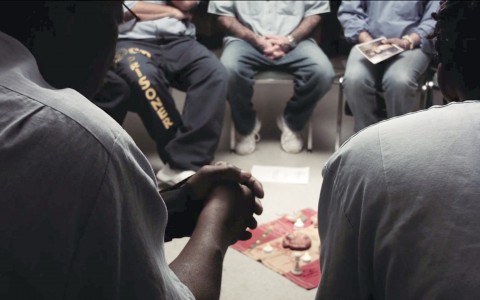
Being with guys who have messed up big time, to the extent that I am usually sitting alongside them in a prison cell, I’m reminded repeatedly of many things. I often write about those things to ensure that the more hidden experiences of life, the less the popular and often unwanted experiences don’t ever get forgotten and can be shared.
Those I sit with are only too aware that at that moment in time they are far from popular, they are no longer wanted. There of course are few places more hidden than a prison cell.
My writings reflect the common themes of these experiences; vulnerability, risk, searching, trauma and so forth. But there is one theme that is always present but seldom gets mentioned – Connection!
Connection is something we all know about and know about it deeply within our psyche, within our hearts. Our first state is a connected state and it would seem, from the second that the midwife severs that connection, we spend the rest of our lives trying to restore it, trying to get it back and to re-experience that symbiotic state. If this tells us anything, it tells us that connection is a powerful experience. So powerful in fact that although we all desire it, we also fear it. We fear it most when the need for connection manifests in desperation, pain, suffering, grief, vulnerability and powerlessness.
We willingly connect with joy, happiness, strength, certainty, gain and power. But these are experiences and states that are not constants. For some these are states that are never available, never present and even without the slightest hope that they will manifest or return. No, there are certainly some things – the ugly things of life that we don’t want to connect with.
When faced with such immense need. When faced with experiences we believe to be outside of our own, there are few who just do not want not to connect. It is rather that we think we do not know how to connect, or that we won’t be able to connect, or that we have nothing to connect with. Faced with such perceived self-deficit, we become fearful, we disconnect, we withdraw, we close off, we run in the opposite direction and then of course nothing changes.
Each time I walk through a cell door, I know I cannot give the guy on the other side what he most wants or needs. In that position, I am only too aware I have nothing that, at that moment in time, he will value. No wonder then I can be greeted with “Do one” or to be more accurate “Fucking do one. You cunt” or more politely sometimes just a simple “Fuck off”.
The challenge then is always to still be willing to be available for connection beyond the mix of “Fuck off” and that knowledge inside me that “I have nothing”.
You may not be literally needing to connect in a prison cell, but there are myriad’s of ‘prison cell’ experiences involving others we all come across and sometimes several times a day.
The invitations we continually receive to connect will be for ever present – it is hard wired into us. My need for connection is no different to the guys I meet in prison and the same goes for you. Seeing ourselves in that need, however, wherever it presents, is where we start and where we no longer need to be fearful and turn away, even when every part of us wishes to.
Throughout 2025, death by suicide, as reflected on below, continued to have a powerful impact on my life and most certainly on the lives of others involved. The marking of years does nothing to lessen such impact. In fact, far from lessening, as is often suggested, it increases. This truth is not confined to loss by suicide but to the experience of grief no matter its cause.
I reflect again then on the experience of boughs breaking ….. and offer this for all those today who know the realities of grief that changes, that changes us but that never ends.
The suicides by men I knew personally and professionally were five in total. Hardly surprising then for me to have need to process something of these losses in dreams. Our unconscious dream life serves us well.
In the early hours of one morning, I was awakened by a powerful dream. In the dream I was looking at an impressive oak tree, its massive trunk bearing equally massive boughs and branches. Each bough looked strong, healthy, full of life. But as I looked my admiration changed to massive anxiety, fear even. The boughs were crumbling, disintegrating, coming apart and in a matter of moments they fractured and fell to the ground. The sight was devastating. The abundance of life that I had been marvelling at, was no more. I was not only deeply shocked at what I saw, but also shocked as I hadn’t noticed that all was not well.
My dream was made even more powerful as whilst this drama of sudden decay unfolded, a woman was singing softly in the background the nursery rhyme ‘Rock A-bye Baby in the Tree Top with the haunting line “When the bough breaks the cradle will fall, down will come baby cradle and all”. With all the boughs now broken on the floor and the women’s haunting singing, I continued to look at them. One by one they morphed into the each of the men who had ended their own lives by suicide over the course of last year.
My distress on waking did not need any clever psychoanalytic interpretation. Each one of the men who went out of my life last year and away from our world were extraordinary individuals. Each a massive presence. All, without fail, contributing something special, inspiring, creative and unique to those around them and their communities. We who knew them, knew that. We saw it. We witnessed it over weeks, months, years and we loved them for it.
As in the dream and in reflection, clearly there was also much that we did not see, much we did not hear, much that was not revealed to us and much we chose not to know about. None of those five men I would have recognised or even thought about as vulnerable. I had never held them in my mind as not being anything else than the wonderful selves and all of what, like the oak tree in my dream, that they magnificently showed to the world. So, when just like the baby the haunting nursery rhyme they in all their vulnerability came crashing down, it was all heartbreakingly too late.
Every parent will know, better than I, what it is to recognise the vulnerability of a new born child. The symbiotic gazes in early life are the skipped beating heart moments between parent and child where vulnerability alone is for the learning. The sacredness of parenthood. For me, not being a father, this experience has been outside of my call. Until this Christmas that is.
Decades of Christmases have come and gone with me gazing on nativity scene after nativity scene. Blessing myself, as we Catholics do, in front of the alabaster baby Jesus’ ranging from cheap and tacky to the stunningly beautiful. But only this year did I notice the immense vulnerability of the baby in the hay, legs outstretched and arms reaching up. I noticed it as never before.
My only response seemed like the only response possible. As we say daily in the Divine Office, it was to ‘bow and bend low’. From that position it was possible to enter into that specific manifest vulnerability of the new born child. From bowing and bending low I have found it possible to weep for and with all the vulnerabilities of the world.
My dream however was a powerful reminder that pious acts before a nativity crib are one thing. The vulnerabilities unfolding daily in the crib of life quite another.
For my five men who died, the question must be asked, where was there room for their vulnerability? Where could their vulnerability be recognised witnessed, met, valued? Why can we in symbiotic empathy enter with open hearts into the vulnerability of a child and yet not do so in relation to the same vulnerability when manifest in an adult.? Why as adults can we not value and venerate the very real vulnerabilities of our adult lives?
Truth is, we do not grow out of our needs and vulnerabilities. We remain, in ways hidden by our adult self, always something of the vulnerable precious baby we once were. Truth is, when we don’t allow room for vulnerabilities, that of others and most certainly those of our own, then our ignored fragility comes with a very high price indeed. In life and for even the most magnificent of oak trees boughs break and do come crashing down. Oh that my dream may have a different ending.
Predator. Predatory. Predatory behaviour. Listen in on any of my professional conversations or read any of my reports and you would know that these words feature in my work many times each day. They are associated with many different types of crime.
In recent times, the same words have been banded around across all forms of media and particularly in relation to sexual crime. I’m not sure what the words conjure up in the public mind but, I observed on much more than one occasion, the thinking that somehow the behaviour was not so bad, not so serious, not so criminal as sexual offences themselves. Maybe such minimisation is, as remains common in relation to sexual crime, reflecting a wish not to know. If that is so, then it is a highly dangerous and permission giving wish indeed.
Being a predator and engaging in predatory behaviour is a complex business. Like much about crime, it does not ‘just happen’. Predatory behaviour is always supported by predatory thinking and predatory feelings, intelligence, fantasy, rehearsal, practice, preparation, intent. It will relate to and play a particular part in the dynamics of entitlement, power, callousness, objectification and victimisation. To do it well will also involve time, commitment, planning and resourcing. All of this, without exception, resides within the predator and makes clear the level of the risk and dangerousness they pose to others.
For once, I want to use an example of a female predator. There is a not insignificant number of predatory women in the criminal justice system. They are of immense concern. But at least we know about those. There will of course be many others that we don’t know about and need to.
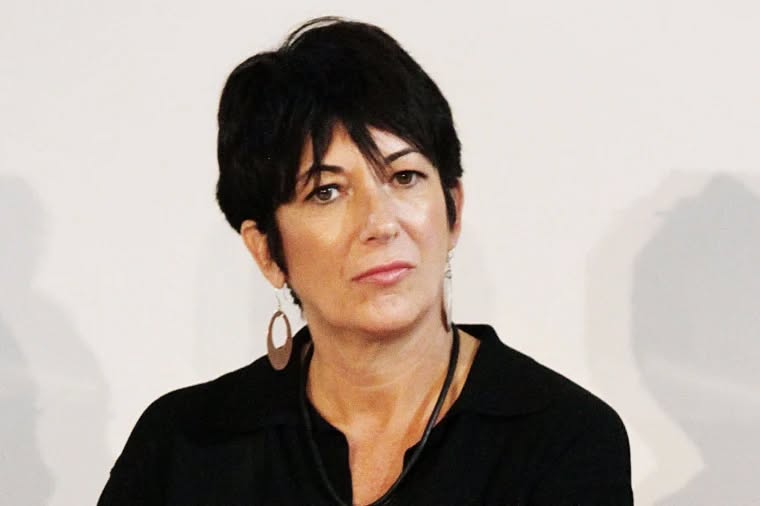
Ms Ghislaine Maxwell is a useful example and in my professional experience she is no exception. Her internal world no different in content than the cohort of her fellow male sexual offenders. It is disturbing then to note that some still seek to minimise her crimes, risk and dangerousness by reasoning of her gender and lessening of the specific role she played. Nothing could be so further from the truth. The chilling testimony of her victims leaves us in no doubt of the predatory process:
“She was really the mastermind of this whole pyramid system he had working. She would go to spa’s and hand out cards saying that she had a very wealthy benefactor who’s going to help you with your schooling, make you a model, all these promises.”
Promises are seductive and especially so when targeted at the girls whom Ghislaine preyed on. Those preyed on were homeless and some were addicted to drugs. She and Epstein did not victimise girls who were Olympic stars and Hollywood actresses. They like the majority of sexual offenders victimised people they thought nobody would ever listen to. The silencing of victims, the disbelief they meet with, the wish of others not to know and the need of others to deny were, as with all predators, were all part of the criminal process.
Whilst promises and seductive threats are controlling. Predatory behaviour will always make use of fear. Ms Maxwell and, had he lived, her co-defendant, employed this means of control.
Investigators observed that many of the victims expressed fears about what Epstein might do to them, claiming that either he or Ghislaine had warned them to stay quiet. The bodyguards and private investigators employed by Epstein would have been experienced as a display of power, purposefully inducing fear.
A reporter from the Miami Herald observed; “I think they were extremely dangerous. I mean we don’t know, really, the lengths that he went to, to intimidate people who tried to expose what he was doing. But we know that there were plenty of people who were afraid and who felt that he was capable of doing really bad things.”
There is another fact that feeds the wish not to know and supports a well-established culture of denial about women who commit predatory sexual crime. It is the problem of male sexualisation and its inherent disavowing of vulnerability. Still in 2025, men are not allowed to own vulnerability and certainly not their victim experiences at the hands of women.
Over several decades now I have conducted treatment groups for men who have committed sexual crimes. Literally hundreds of men have sat in front of me in the familiar therapeutic circle. Without exception, in every group at least 3 or 4 men when accounting their sexual histories describe older women having sex with them whilst they were still children. They tell of these occasions with bravado, rampant male ego, often asserting that no harm was done, a rite of passage. But there they are, in treatment for the sexual crimes they have committed.
Seldom, if ever, have any of these women sexual offenders been investigated or brought to justice. But they exist and in much greater numbers than we would care to believe. Sexual abuse of a child can never be considered a ‘rite of passage’. Mrs Maxwell is not alone or unusual. Fact is, she and they are immensely dangerous.
Female or male, the task of predatory behaviour is not just about the supply of victims. It is equally about ensuring silence and power. Once these factors are established the rest is enabled. Ms Maxwell, her thinking and behaviour as with other predators, are not ‘less than’ in their role of commissioning crime. Indeed, one could argue that without the role of an accomplished predator such crimes could not be commissioned at all.
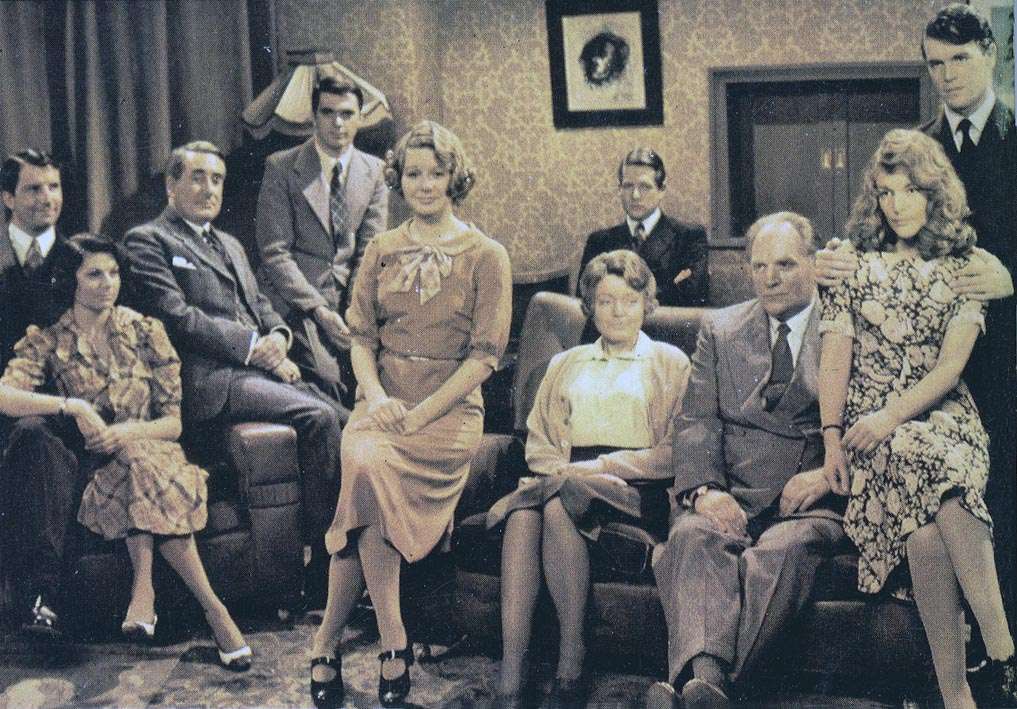
I only really like the first lines of Minnie Haskins poem ‘God Knows’, more commonly known as ‘The Gate of the Year’. I recall it along with many others I guess at the close of each year. But its poignancy for me is more associated not with the opening of a new year but with the closing episode of the 70’s television series ‘A Family at War’.
The series, based in Liverpool, told the story of the Ashton family living through the war years. It aired for 52 episodes and took its audience into the family experiences of the external war and the almost equally disturbing dynamics of the internal wars within the Ashton family.
As a child, it was an intense experience to watch it unfold week after week, yes because of the skilful writing and also because there were few scene changes. Typical of its day, most of the drama seldom ventured beyond the Ashtons living room.
The wider world was however brought to that living room, as it was to all our homes, by the medium of the wireless.
In the closing moments of the last episode, we are again back in the Ashtons living room. The family diminished and depleted. The past echoes around the empty walls in the voice of King George reading to the nation as he did in 1939 Haskins poem “And I said to the man who stood at the gate of the year ….. “ The vulnerability of that moment in time poignant in the timbre of his voice.
Endings are a vulnerable time for the fact that we usually know what is ending but seldom do we know what is beginning. ‘A Family at War’, from it’s very beginning, like life, was all about endings and what they do to us. How sometimes we emerge better from them and other times less so. But episode after episode, as in the days of our lives, what we witnessed is how endings change us. Endings, one by one, took hold of the Ashton family and changed it forever. After an ending life is seldom ever the same.
The endings and the vulnerabilities of the Ashtons were not unique to them and were not confined to the experience of war. No, far from it.
Endings for us all in one way or another are defined by loss and the vulnerability that meets us in our response of grief. No matter the nature of the ending or the cause of loss, the deeply human response of grief is forever the same. 1939, 2024 and 2026 separated by time but not by internal experiences of sadness, sorrow, diminishment of hope and yes, by life rearranged.
Whatever endings greet us at the gate of the year. Whatever our griefs and vulnerabilities, may they, may we, be met with peace of mind and a hope in the breaking of a new day.
And I said to the man who stood at the gate of the year:
“Give me a light that I may tread safely into the unknown”.
And he replied:
“Go out into the darkness and put your hand into the Hand of God.
That shall be to you better than light and safer than a known way”.
So I went forth, and finding the Hand of God, trod gladly into the night.
And He led me towards the hills and the breaking of day in the lone East.
Christmas does not offer us respite from reality. This truth was writ large in the middle of a chapter I was reading recently. It resonated. It’s hard truth stayed with me and eventually brought relief of the kind that so often only hard truth can do. On reflection, it is a truth that I have long known and am reminded of on an annual basis.
My clinical role in recent years is sharply defined.I’m not required to work over the Christmas period. But throughout previous decades many Christmases were spent in responding to the forensic psychiatric demands in prisons, secure settings, A&E, police stations or in the back of ambulances. Each one a backdrop for unfolding events which proved many times over, for all involved, that Christmas does not, has never and will not equate with all that the tinsel, baubles, fairy lights and festive fare have conditioned us to believe.
No matter how much we may have invested in its trimmings, the reality is that Christmas always has and always will sit in the middle of the mess of life.
I shared in one event that stands out in my mind and has become, because of memory, an annual reminder of the hard truth of Christmas.
In one of the large London prisons on a Christmas day afternoon, I received an emergency call in the middle of association to go the fours (4th landing). The scene that greeted me was a tangled mess of officers and prisoners doing all they could to release a prisoner from the ligature he had tied around his neck before throwing himself under the iron stairwell. His positioning was precarious.
Four of the prisoners were trying to hold him up whilst the officers were trying to release him. Suddenly he was freed and brought onto the landing and laid on the ground. All involved surrounded him, not knowing what to expect, it was completely silent and that moment in time is fixed into my memory much the same as a nativity scene. But this occasion was not defined by new life, but by a new death. It was all too late. The prisoner was dead.
Over the weeks that followed, I met with the four prisoners involved. We met together in an empty cell for an hour each week to talk about what had happened and importantly what it had left them with. It had taken all their strength over a considerable amount of time and at risk to themselves to hold up the man.
Those moments of trying to hold onto life , which they all said felt like hours, they hoped that he would be ok and that they would have saved him. In the days that followed the reality of the loss of their hope did many things to them and that is what we talked about together.
In the very last session and just moments before the end, in the poignant silence that often characterises the last minutes of a special experience, one of the prisoners asked a question and in so doing made a statement “But what about all the Christmases to come? We’re going to remember this every Christmas. Christmas is fucked”.
Now in 2025 there are many of us in less dramatic circumstances who nonetheless, because of what life does to us, are able to identify with that prisoners’ statement of truth. Buying into any tinsel fairyland world does not serve us well. Failing to acknowledge that life is messy is,in its essence, the denial of our vulnerability and such denial always, always, always carries a high cost.
In the midst of the pains of life, to engage in thinking that life will just be the same will set us up for not only massive disappointment, but also for massive trauma. Being in conflict with reality is quite literally a madness, a form of psychosis.
There are voices of wisdom in our world trying to be heard amidst all the denial and delusion. The voice I heard that addressed this very issue by naming a hard truth was that of Pope Francis when he asked us to recognise that we can’t expect to live in a sick world without becoming sick ourselves.
I still hold those four prisoners in great esteem, they taught me much. Yes esteem, for the heroic efforts they made on that messy Christmas day, but more so for what they were willing to do in the life that continued. In our little cell they named their fears, angers, hurts and vulnerabilities. In so doing, they accepted the messiness of that Christmas day, of life as it was in the moment and the life that was to come. In the hard truth of all of that they gained a wisdom, a knowingness that I am confident is still serving them well. In the mess of Christmas, we have the same opportunity.